The set of buildings is one of the best preserved industrial architectural objects from the turn of the 19th and 20th centuries. The architecture and spatial layout refer to large public utility buildings typical of Wrocław's architecture – brick facades with glazed details, clearly indicating an initially planned integration of industrial spaces with urban ones. The Neo-Gothic style alternates with patterns of brick decorative Romanesque, but in a way that maintains the industrial character of the buildings. On the facades, seven types of friezes and cornices were used, as well as rich details, which was an unusual phenomenon for industrial architecture of those times. Among the group of objects, two buildings – the management building and the brewery, stood out, which also featured a villa style.
After consultations with the Conservator of Monuments, it was decided to renovate both the facade and a significant part of the interior of the building. The brick exterior walls require cleaning and repairing damage caused by leaks from leaking gutter systems, parapets, supports, and rainwater drainage systems. Many works will focus on repairing damage caused by disuse, as well as securing the monument before starting new construction projects.
The project aims for a full revitalization of the building with residential use in the basement of the building, with the restoration and improvement of its technical condition, including preserved original facades made partly of plaster, mainly ceramic elements, with brick clinker veneered tiles covering parapets over window openings and crowning walls; with roofs covered with ceramic tile shingles, wooden windows.
The interior - layout and finish
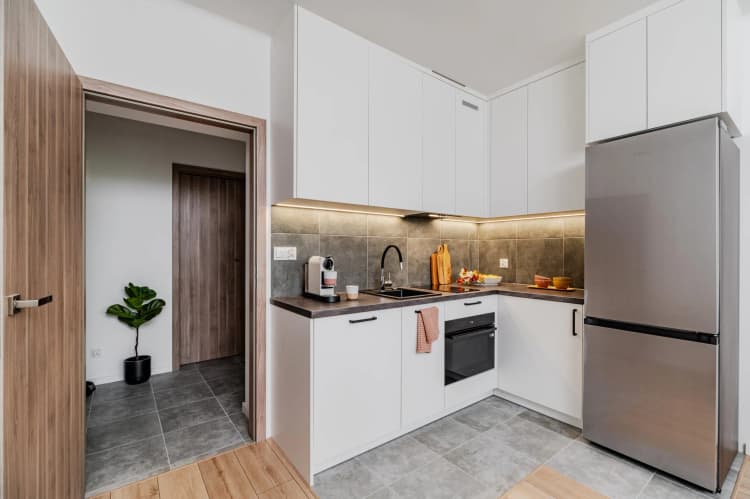
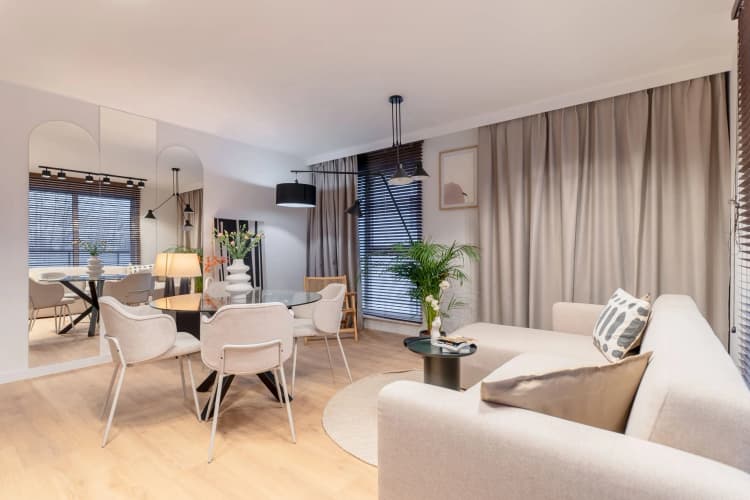
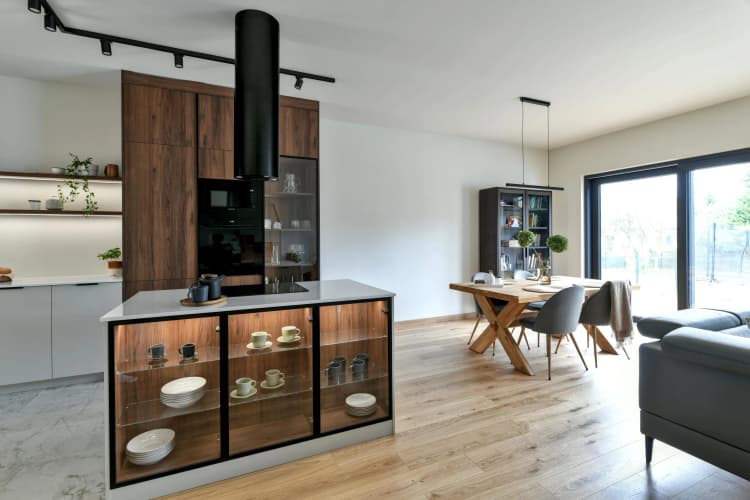
To improve technical conditions and safety for the intended use of the target area, some elements of the facade will be rebuilt, while some elements will be rebuilt in forms that do not lower the basic value of the preserved historic facades of the building. The expansion of the building will take a contemporary form consistent with existing dimensions and the accepted residential function. In this regard, the functional layout of the building has been changed and adapted to its new role. In the basement of the building, three usable spaces were separated, trying to preserve as much of the original wall and partition structure in the building as possible. A separate function was achieved by a separate entrance in the northern wall. The existing entrance to the building was used for this purpose. To improve the quality of use on the ground floor, the floor level of the basement was leveled in the project, which is currently uneven. The remaining floors of the building were arranged for residential spaces, with three apartments on each floor. Internal communication within the building remains almost unchanged compared to the existing state. This move is deliberate and aims to preserve, just as in the case of the basement, as much of the existing structure as possible, if its condition allows it.
The historic part will retain original ceramic floors and oak parquet floors, which will be renovated, cleaned, and restored according to preserved patterns. The interiors will maintain a color scheme consistent with the results of conservation research and plasterwork, which will undergo conservation work and supplementary work. Work also includes the renovation of existing wooden door frames, which will complement the character of historic interiors.
The facade of the newly built part will be covered with corrosion-resistant steel plates, the same material will be partially used for finishing common areas. In combination with stone-colored ceramic floors, wooden lamellas and glass, it will create an elegant space in the lobby and staircase.
Similarly to Building "H", the functional layout of Building "G" is organized around a three-flight staircase, which is accompanied by an elevator. Horizontal communication takes place through a spacious, representative staircase, from which a direct path leads to the apartments.
The building also has a basement level, where a parking garage and technical rooms have been organized. Access to them can be made via a staircase and the mentioned elevator. Due to functional and spatial reasons, it was not possible to organize an access ramp for the underground parking garage. It was replaced by a car lift in the form of a platform lift.