- Apartment Finishing – Basics and Key Stages
- What Does a Developer‑State Apartment Include?
- Turnkey Finishing – Pros and Cons
- Where to Start When Finishing a Developer‑State Apartment?
- How to Set the Budget for Finishing an Apartment?
- DIY Finishing or Hiring Professionals?
- Choosing Materials and Creating a Work Schedule
- Practical Tips for Saving Money on Finishing
- Conclusion – What to Keep in Mind?
Apartment Finishing – Basics and Key Stages
Finishing an apartment is a multi‑stage process that requires precise planning. To keep works on schedule, it is worth dividing the whole undertaking into several main stages:
- Planning and interior design – the first step is to design the apartment layout. At this stage think about partition walls, the placement of electrical outlets as well as plumbing, heating and ventilation. A well‑designed interior will raise living comfort and help you save space.
- Preparatory works – before the actual finishing begins, prepare the space: level walls, pour floor screeds, install heating and electrical systems. This is also the right moment to plan future smart‑home solutions.
- Selecting materials – choose finishing materials such as floors, tiles, paints or wallpapers. High‑quality materials guarantee durability and aesthetics, increasing the value and longevity of the apartment.
- Carrying out finishing works – once preparations are done, you can proceed with erecting partition walls, laying floors, painting walls and installing sanitary fixtures and lighting. Keeping the right order prevents technical problems and damage.
- Final touches and décor – the last stage is the aesthetic finish: installing furniture, curtains, blinds and lamps that complete the overall look of the interior.
Finishing an apartment is both a technical and artistic process. The right choice of colours, furniture and accessories can give the flat a unique character and reflect the owner’s taste.
What Does a Developer‑State Apartment Include?
“Developer state” means that the apartment is ready for finishing by the new owner but not yet fully fitted out. Standards vary, so always check what your developer includes. Usually you get:
- Electrical and plumbing installations – all runs are in place, but sockets, switches and sanitary fixtures are missing.
- Plastered walls – prepared for painting or wallpapering; plaster may be smooth or textured.
- Concrete floor screeds – a base for installing panels, tiles or other floor coverings.
- External doors and windows – fitted, though interior doors are usually absent.
- Internal window sills – sometimes provided, but not always.
The developer state is basically a “skeleton” that still needs work before it is habitable. Some developers offer higher packages that may include radiators, painted walls or basic bathroom fit‑out.
Turnkey Finishing – Pros and Cons

Buying a flat with a turnkey package means the developer or a finishing company handles the entire process and hands over a move‑in‑ready interior. This convenient solution has both advantages and drawbacks.
Advantages:
- Time saving – no need to organise crews or supervise work.
- Workmanship warranty – finishing often comes with a guarantee covering defects.
- No material shopping – standard packages include floors, doors, paints and even basic bathroom fixtures.
Disadvantages:
- Limited design input – you must accept solutions proposed by the developer; personalisation is restricted.
- Higher cost – you pay for both materials and service.
- Restricted material choice – packages may not include your preferred finishes or quality.
Turnkey is perfect for those without time to manage works, but if you want full control over every detail, organising finishing on your own may suit you better.
Where to Start When Finishing a Developer‑State Apartment?
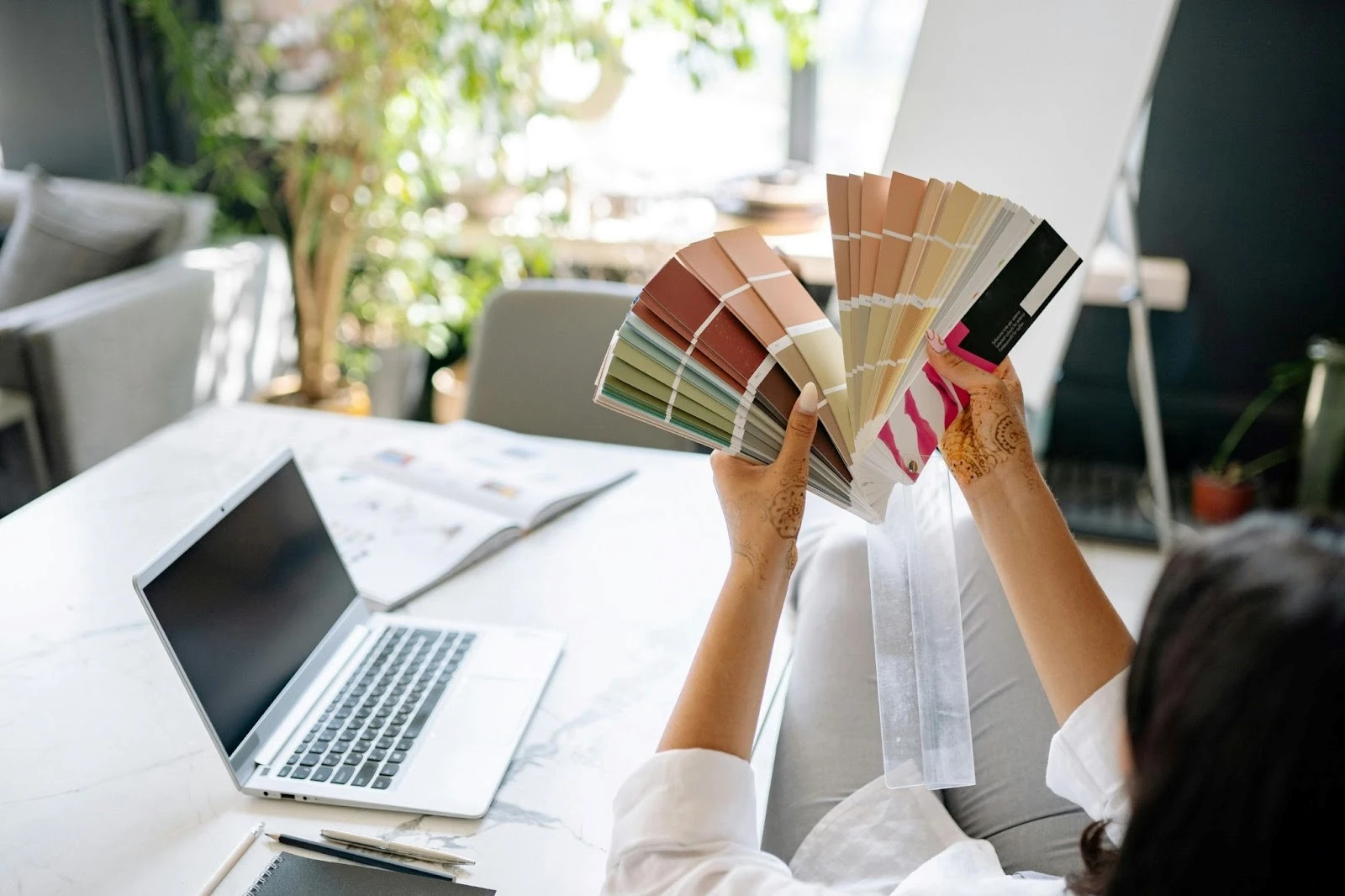
First prepare a detailed interior design that balances aesthetics and practicality. Plan the layout, functionality of each room and points for sockets, lighting and plumbing.
Main steps:
- Design – consult an interior architect to optimise space and choose materials.
- Walls and floors – select paints, tiles, panels, considering each room’s specifics.
- Plumbing & electrics – install before finishing surfaces to avoid later rework.
- Doors and windows – if interior doors are missing, choose models matching the style; sliding doors save space.
- Kitchen & bathroom fit‑out – precision matters here; invest in quality materials for wet rooms.
Tips:
- Create a schedule to avoid delays.
- Consult experts to prevent costly mistakes, even if you DIY some tasks.
How to Set the Budget for Finishing an Apartment?
Without a clear financial plan it is easy to overspend. Accurate cost estimation allows expense control and efficient project management.

Main budget components:
- Building materials – compare suppliers and balance quality with price.
- Labour costs – proven crews are crucial; errors cost more later. DIY some tasks to save, but leave electrics to pros.
- Appliances – include home appliances and electronics; look for promotions.
- Furniture & fittings – custom cabinetry can be pricey; add installation costs.
- Contingency – always keep a reserve for unforeseen expenses.
Budget optimisation:
- Plan purchases early and shop sales.
- Track spending versus the plan.
- Invest in quality where it matters – floors, bathrooms, installations.
DIY Finishing or Hiring Professionals?
DIY can save on labour but requires skills; mistakes may become costly. Suitable for simpler tasks like painting or laying panels.
Hiring professionals ensures quality, speed and warranty but increases costs and limits your on‑site control. Always check references and agree a written scope and cost estimate.
Choosing Materials and Creating a Work Schedule
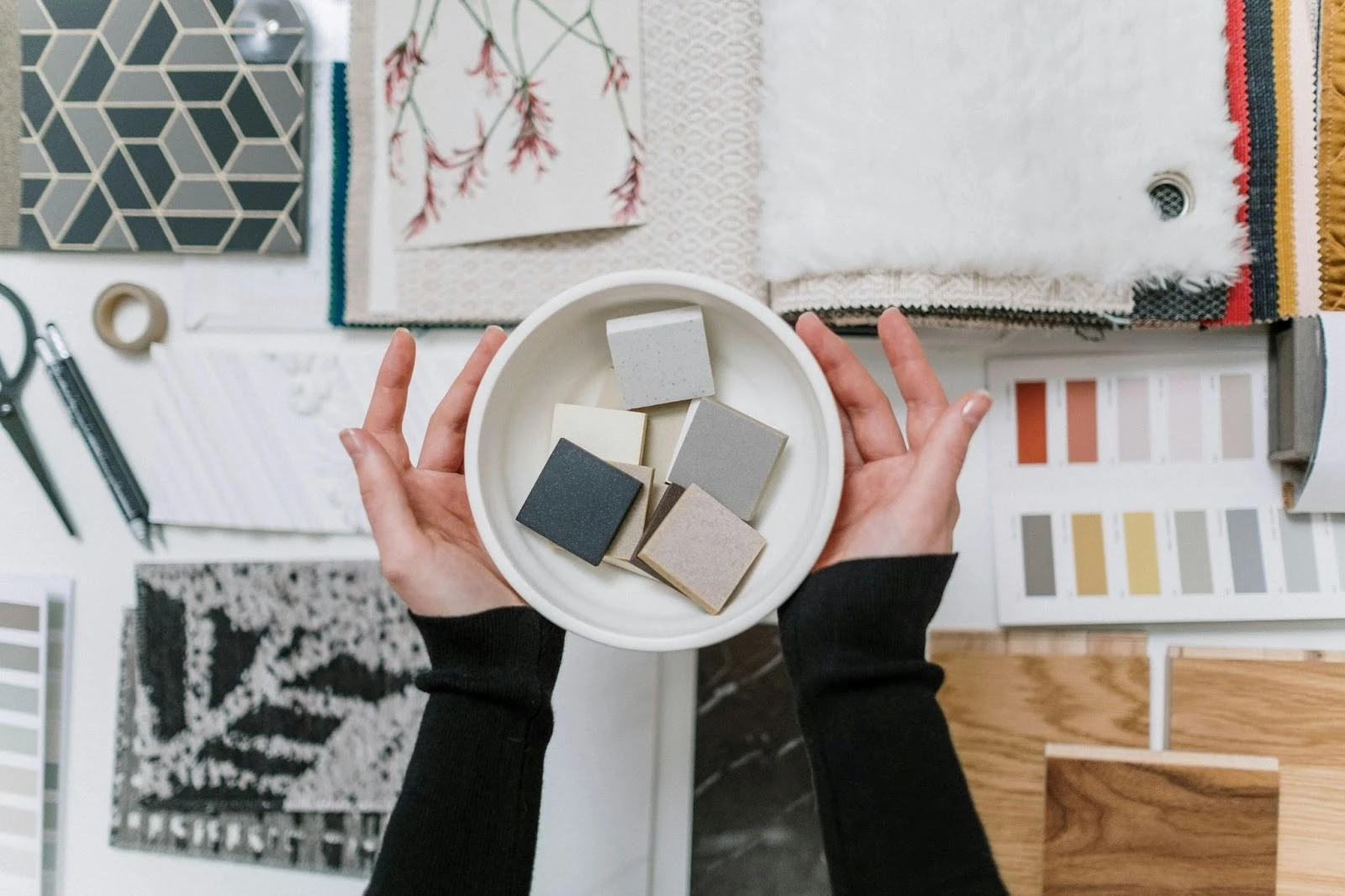
The right materials determine both look and durability. Select products that combine aesthetics with function and wear resistance.
Wall finishes:
- Paints – choose moisture‑resistant, washable paints for kitchens and bathrooms; matt finishes for living areas.
- Wallpapers – vinyl, washable or 3D wallpapers add character.
Floor finishes:
- Laminate panels – popular, affordable, check abrasion class for high‑traffic zones.
- Ceramic tiles – perfect for wet areas; invest in quality.
- Wood floors – elegant and durable but need maintenance.
Schedule: prepare a detailed timeline covering preparatory works, surface finishing, installation of doors and sanitaryware, through to décor and furnishing.
Practical Tips for Saving Money on Finishing
- Buy materials on sale – use seasonal discounts and online deals.
- Choose affordable substitutes – e.g., ceramic tiles imitating marble instead of real stone.
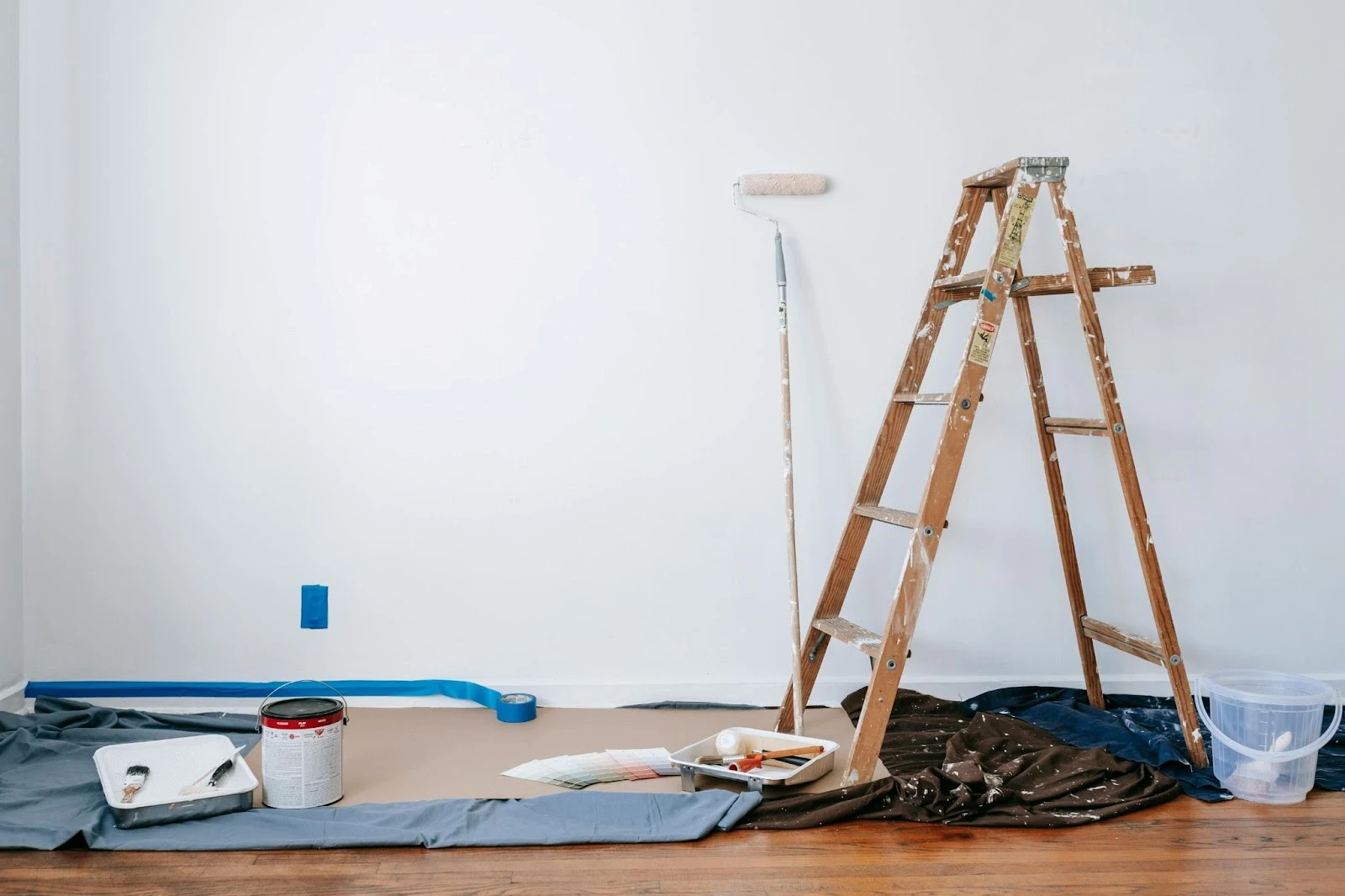
- DIY some tasks – painting, panel laying, small fixes.
- Economise on décor – thrift stores, DIY decorations, indoor plants.
- Check DIY stores and discounters for good‑quality bargains.
- Stage the works – finish essentials first, add décor later to spread costs.
- Hire reliable professionals – low‑cost crews may mean expensive corrections later.
Conclusion – What to Keep in Mind?
Finishing an apartment demands significant time and money. Careful planning and strict budget control are key. Think through every step, stay flexible for surprises and focus on functionality. Invest in quality where repairs would be costly later. With the right approach your apartment will become a comfortable, functional and aesthetically pleasing space.