
- 1. Carefully Check the Listing
- 2. Verify the Landlord
- 3. Lease Agreement
- 4. Additional Fees
- 5. Security Deposit
- 6. Handover Protocol
- 7. Right to Terminate
- 8. Repair Responsibilities
- 9. Tenant Insurance
- 10. Moving In & Adaptation
- 11. Permission for Rearrangement
- 12. Monitoring the Neighborhood
- 13. Pet Policy
- 14. Registration (Zameldowanie)
- 15. Privacy Protection
- 16. Documenting Changes
- 17. Renegotiating the Lease
- 18. Maintenance & Repairs
- 19. Rent Increases
- 20. Local Regulations
- 21. Administrative Fees
- 22. Working with the Building Manager
- 23. Planning a Long‑Term Rental
- 24. Deposit Refund
- 25. Staying Vigilant
- Summary
1. Carefully Check the Listing
Before making a decision, take the time to read the listing thoroughly and compare it with reality. Visit the property you intend to rent and confirm that the photos accurately reflect the apartment’s current condition. Avoid rushing—bring a third person who can help you judge whether the apartment meets your expectations. You should also verify that the price aligns with local market standards; perhaps the flat looks attractive, but the rent is inflated.
2. Verify the Landlord
One of the most important steps before signing a lease is confirming the landlord’s credibility. Do not hesitate to ask for documents proving ownership—such as a deed or land‑and‑mortgage register excerpt. If the landlord is reluctant to share these, treat it as a serious red flag. Remember that renting through a proxy (e.g., an agent or a relative) requires proper, formal powers of attorney.
3. Verifying the Lease Terms
Every lease should be in writing. Never agree to rent without a signed contract—it can lead to unnecessary conflicts. The agreement must specify basic details such as the rent amount, payment deadlines, rules for additional charges (e.g., utilities) and the termination terms. This protects both you and the landlord. It is also wise to define how future rent increases will be handled; include this in the contract to avoid misunderstandings.
4. Additional Fees
Before committing, find out what extra costs you will be responsible for. Besides rent, these may include utility bills (electricity, water, gas), internet or waste‑collection fees. Ensure these details are clearly stated in the lease to avoid unpleasant surprises that could inflate your monthly expenses.
5. Security Deposit
A deposit secures the landlord against potential damage to the apartment. It usually equals one to three months’ rent. Agree on the conditions under which deductions may occur and when and how it will be returned. Record these terms in writing to prevent disputes.
6. Apartment Handover – Handover Protocol
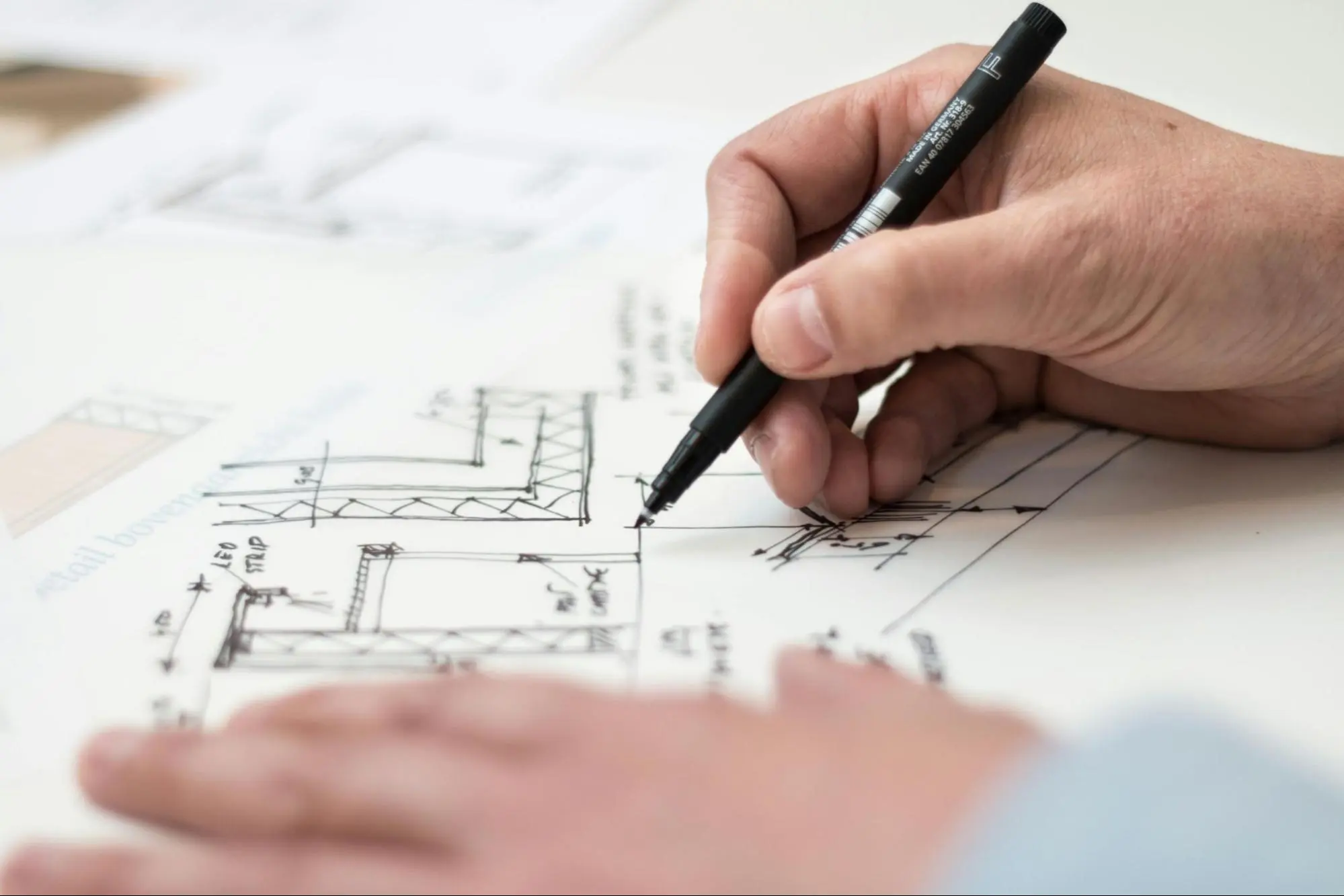
Before formally taking possession, prepare a handover protocol. This document should describe the apartment’s condition in detail, including the technical state of installations, furnishings, and any defects. Record current meter readings to know exactly how many utilities you use from the start. Such measures help avoid future disagreements.
7. Right to Terminate the LeaseAgree on termination terms before signing. The notice period should suit both parties—typically one to three months, but it can be adapted to specific arrangements. Clear contract clauses help prevent unpleasant situations during the tenancy.
8. Apartment Condition & Repair Duties
Determine from the outset who handles minor repairs and who covers major renovations. Standard leases assign significant repairs (e.g., plumbing or heating systems) to the landlord, while minor fixes such as replacing bulbs or gaskets fall to the tenant. Spell these rules out in the contract to avoid later confusion.
9. Tenant Insurance
Consider purchasing tenant insurance to protect your belongings against unforeseen events such as fire, flooding or theft. Such a policy not only safeguards your possessions but can also cover damages you accidentally cause. It is an important step that may shield you from costs not included in the landlord’s standard policy.
10. Moving In & Adaptation
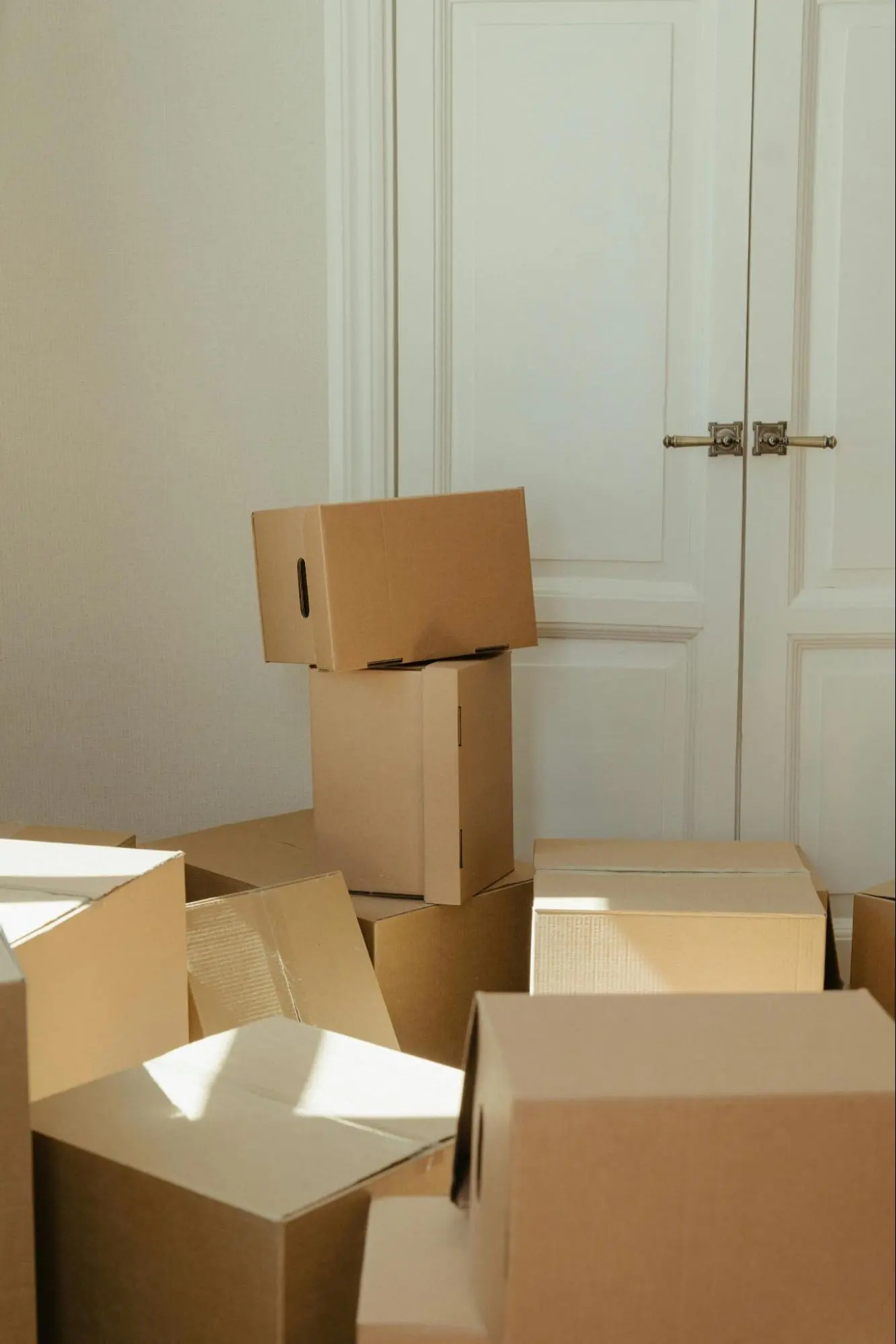
Moving can demand significant effort and funds. Before renting, check for available parking, whether your furniture fits the apartment, and the cost of movers. Expect extra expenses during the first weeks for minor fixes or new furnishings.
11. Permission for Rearrangement
If you plan to change the décor, move furniture or paint walls, secure the landlord’s consent. Even small changes (hanging pictures, installing shelves) may require permission. Get approvals in writing to avoid disputes when handing back the flat.
12. Monitoring the Neighborhood
Renting is not only about the apartment but also its surroundings. Learn about neighbors, neighborhood conditions and local amenities. Check for schools, shops, public transport, parks and other facilities that influence your quality of life. Knowing your surroundings helps you decide if the location suits you.
13. Pet Policy

If you have a pet, ask whether it is allowed. Not all landlords accept animals, and their refusal can cause issues later. Before signing, confirm your pet will be welcome and check for any special conditions (e.g., an extra deposit against damage).
14. Registration (Zameldowanie)
Registering your address can be useful for administrative matters. Some landlords refuse registration, so raise the topic during negotiations. Lack of registration may limit access to certain social benefits or complicate updating official documents.
15. Privacy Protection
As a tenant you have a right to privacy. The landlord cannot interfere with your daily life or enter without notice. Agree on visitation rules before signing. Most contracts specify how often the landlord may visit (e.g., for repairs or inspections); ensure visits are scheduled in advance and mutually agreed.
16. Documenting Changes
During the tenancy, document any changes and the apartment’s condition when you move in. Take photos or videos of each room—especially valuable if disputes arise when you move out.
17. Renegotiating the Lease
If you intend to stay long term, periodically renegotiate the lease terms—rent amount, extra fees or usage rules. Such discussions can lower costs or clarify conditions for extended occupancy.
18. Maintenance & Repair Clauses
Your lease should clearly state maintenance and repair obligations. Define who handles day‑to‑day upkeep and reporting procedures. Clarify who pays for repairs and how issues are resolved.
19. Protection against Excessive Rent Increases
Polish law protects tenants from excessive rent hikes, but include clauses that guard against sudden, unforeseen increases. Agree on how and when rent can be adjusted during the lease term.
20. Awareness of Local Regulations

Each city may have local rules on renting—tenant protections or owner restrictions. Familiarize yourself with them and ensure your lease does not violate any rights you hold.
21. Checking Additional Administrative Fees
Besides rent and utilities, owners may charge extra costs such as building‑management fees. Make sure all such charges are clearly defined in the lease and comply with local law.
22. Cooperation with the Building Manager
If the apartment is in a block or HOA‑managed building, establish contact with the manager. They can help resolve issues like utility outages, malfunctions or infrastructure concerns.
23. Planning a Long‑Term Rental
For long‑term rentals, think about extra conveniences to improve comfort—hiring a cleaning service, buying new furniture or investing in modern appliances. Discuss these with the landlord and agree which costs each side will cover.
24. Ending the Lease – Deposit Refund
When leaving, the deposit should be returned unless you caused damage the landlord will repair at your expense. Ensure refund conditions are clearly set in the contract and complete a handover protocol when vacating.
25. Staying Vigilant
Throughout the tenancy remain alert and make sure all formalities are followed precisely. Whether dealing with a large property company or a private owner, adhering to rules and documenting important matters will help you avoid future problems.

Summary:
Renting an apartment requires not only a careful choice of premises but also attention to paperwork. A well‑prepared contract, clearly defined terms and close cooperation with the landlord will help avoid many issues. Protect your rights, stay vigilant and document all important aspects. This way, renting will be a safe and comfortable process—both short‑ and long‑term.